
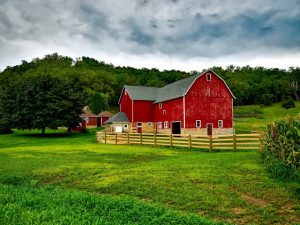
 Owning a family farm in Kansas is more than just a career – it’s a way of life and a cornerstone of your legacy.
However, passing your farm to the next generation requires thoughtful estate planning to address unique challenges, including the complexities of land ownership, family dynamics, and financial stability.
Proper estate planning helps ensure your farm remains a valuable asset for future generations, safeguarding its continued success.
Preserving Your Family Farm
Farms often represent a significant portion of a family’s wealth, tied up in land, equipment, and other physical assets. Unlike other types of property, farmland is typically not easily sold or divided without jeopardizing its function and value.
Estate planning allows you to preserve the integrity of your farm while meeting your heirs’ needs.
A comprehensive plan includes strategies for:
- Transferring land and assets efficiently.
- Minimizing conflicts among heirs.
- Maintaining the farm’s financial viability.
Keeping the Farm in the Family
Many Kansas farm owners worry about keeping their farms within the family. Estate planning provides tools to ensure a smooth transition. For example, a trust can manage your assets and distribute them to heirs according to your wishes.
You may also designate a successor to manage farm operations, ensuring continuity. By clearly outlining your intentions, you reduce the likelihood of disputes among family members.
Planning for Financial Stability
Family farms are often described as “land rich and cash poor,” meaning most of their value is tied up in physical assets rather than liquid funds.
This dynamic can pose challenges when addressing costs associated with estate administration, taxes, or operational needs. Without careful planning, heirs may feel pressure to sell parts of the farm to cover expenses.
Estate planning strategies such as life insurance trusts or gifting can provide liquidity. These tools ensure your family has the resources to maintain the farm without sacrificing assets.
Additionally, working with professionals to value your farm accurately helps clarify its financial landscape and aids in future planning.
Addressing Complex Family Dynamics
Family farms often involve multiple generations and stakeholders. Estate planning allows you to address complex family dynamics by clarifying roles, responsibilities, and expectations.
A well-crafted plan reduces the potential for misunderstandings or disputes, creating harmony within your family.
Consider involving your heirs in the planning process. Open communication ensures everyone understands your goals and prepares them for their future responsibilities.
Protecting Your Farm with a Succession Plan
A succession plan is a vital part of estate planning for farm owners. It outlines how your farm will transition to the next generation, ensuring continued success. Succession planning addresses questions such as:
- Who will take over day-to-day operations?
- How will assets be distributed among heirs who may not want to farm?
- What steps can reduce the financial burden on your successors?
These considerations provide a roadmap for preserving your farm’s legacy.
Preparing for Incapacity
Estate planning also helps prepare for unexpected events during your lifetime. Tools such as a durable power of attorney and healthcare proxy ensure your financial and medical decisions are handled according to your preferences if you cannot make them yourself.
Including these documents in your estate plan provides peace of mind and reduces stress for your family during challenging times.
Using Conservation Easements to Preserve Your Land
Many Kansas farm owners value the agricultural or natural character of their land. Conservation easements can protect your property from development, preserving it for farming or ecological purposes.
These agreements may also provide tax benefits, reducing the overall value of your estate and making it easier to pass down.
Reviewing and Updating Your Plan
Estate planning is not a one-time event. Your plan should evolve alongside changes in your family, finances, and laws. Regularly reviewing your estate plan ensures it remains relevant and effective. For example, changes in Kansas property laws or federal estate tax regulations might require updates.
Major life events such as marriages, births, or the purchase of additional land also signal a need for revision.
Safeguard Your Farm’s Legacy
Your family farm represents years of hard work, dedication, and tradition. Estate planning ensures that legacy continues, providing stability for your family and preserving the farm’s value for generations.
By starting the planning process today, you can protect your farm’s future and secure peace of mind. Take the first step in safeguarding your legacy and ensuring your hard work endures for years to come.
Let’s Get Started!
You can call us at 913-521-2828 to schedule a consultation at our Overland Park, KS estate planning office, and you can alternately use our contact form to send us a message.

- Helping Aging Parents Without Losing Your Sanity—or Their Independence - October 5, 2026
- When Adult Children Become Caregivers: Why Clarity Matters More Than Effort - September 28, 2026
- Medicaid Planning: Avoiding Going Broke in the Nursing Home - September 21, 2026
See Larger Map Get Directions